The Psychology of a Great Event: How to Craft a Can't-Miss Experience
Behind every successful event is a deeper understanding of human behavior. It's not just about booking the best speakers or securing the flashiest venue; it's about designing an experience that feels effortless, builds a sense of community, and creates lasting, positive memories. The most impactful events leverage subtle psychological principles to guide attendees toward a more engaging and fulfilling experience.
16. Memory and The Attendee Experience
These concepts focus on how attendees form and recall memories of the event. By strategically shaping the experience, you can ensure a lasting, positive impression.
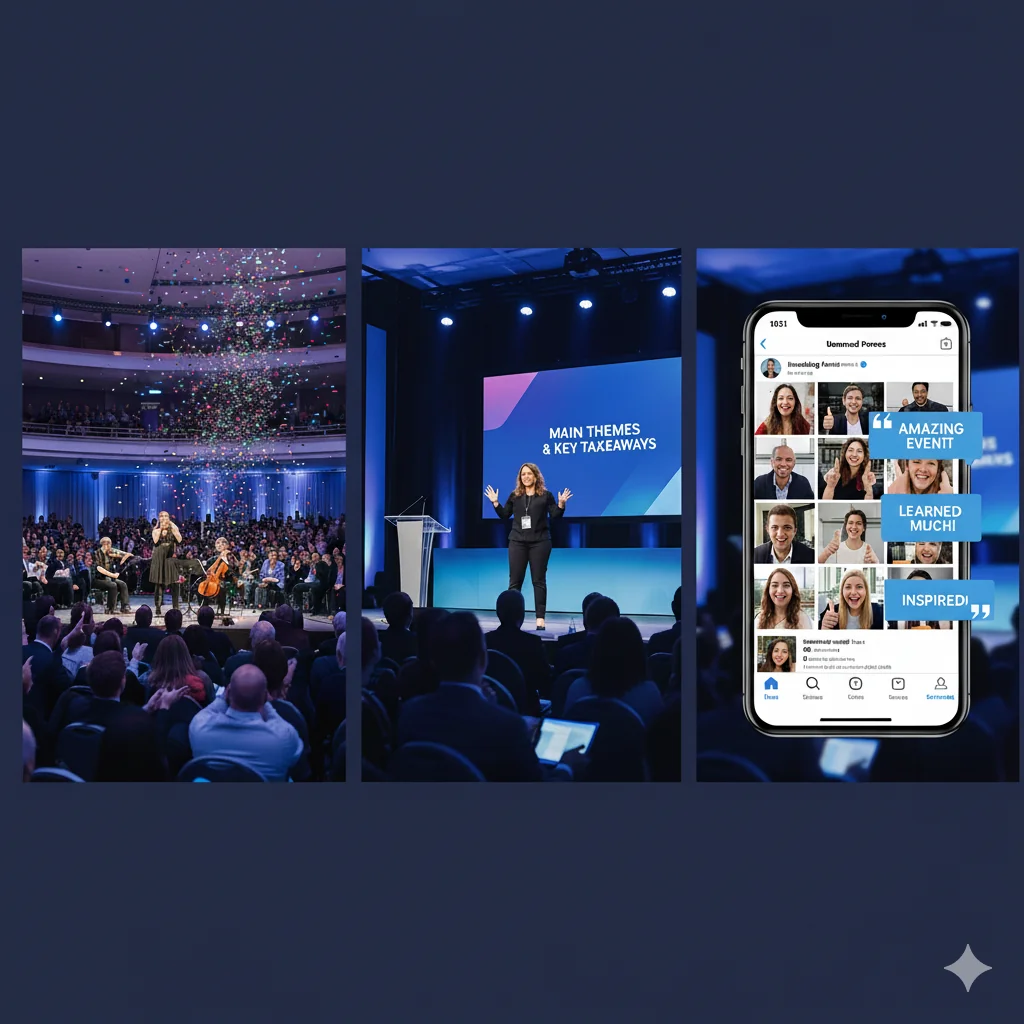
Example (Memory Consolidation): The final day's keynote speaker gives a powerful summary of the main themes and takeaways from the entire event.
Example (The Availability Heuristic): The event's official social media accounts only share photos of smiling, engaged attendees and positive quotes, making those positive memories more prominent.

17. Emotional Anchoring
Use a specific, memorable song or sound at the start of each day to create a sensory anchor that attendees will associate with the event later.
Ready to build a better event?
Understanding these psychological principles is the first step. The next is having a platform that lets you put them into practice.
Book a demo