The Psychology of a Great Event
How to Craft a Can't-Miss Experience. Behind every successful event is a deeper understanding of human behavior. It's not just about booking the best speakers or securing the flashiest venue; it's about designing an experience that feels effortless, builds a sense of community, and creates lasting, positive memories. The most impactful events leverage subtle psychological principles to guide attendees toward a more engaging and fulfilling experience.
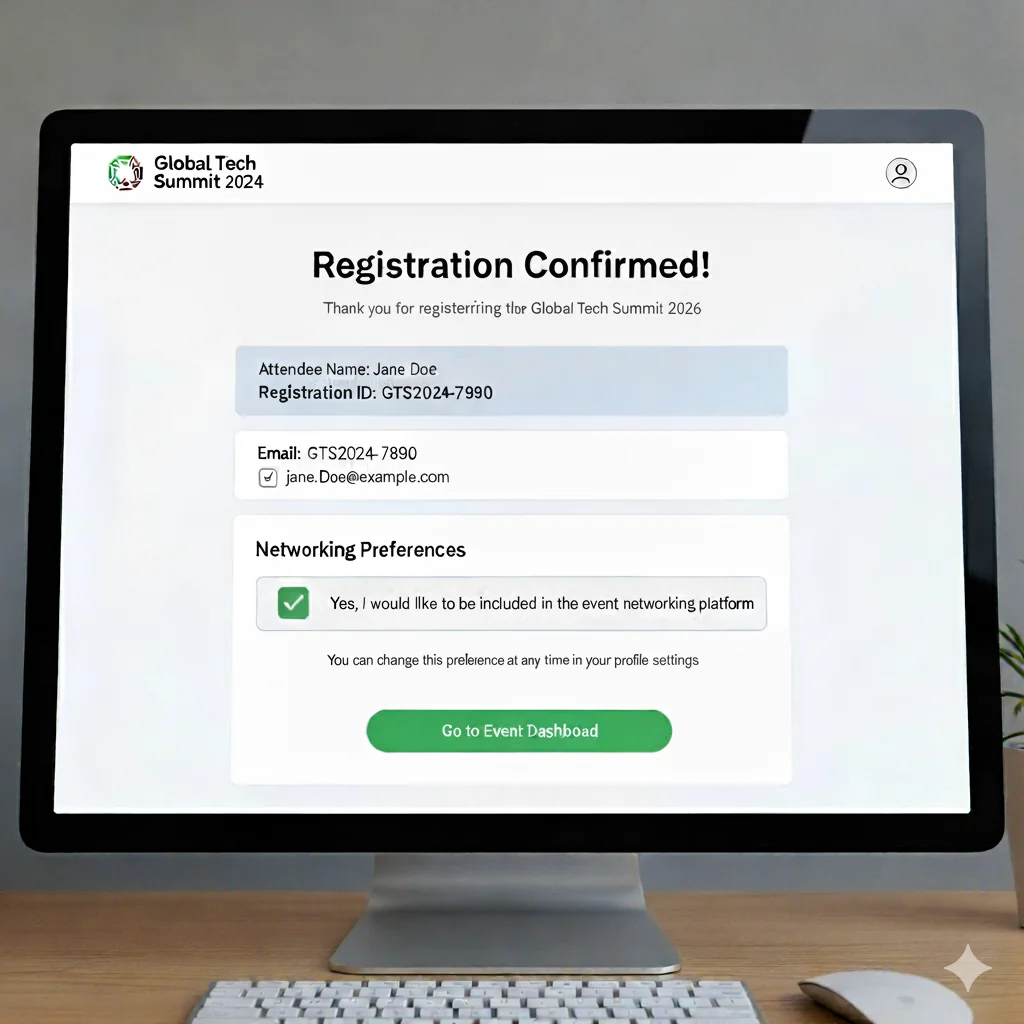
1. Default Opt-in
Automatically enroll attendees in the event's official networking platform and inform them they can opt out.
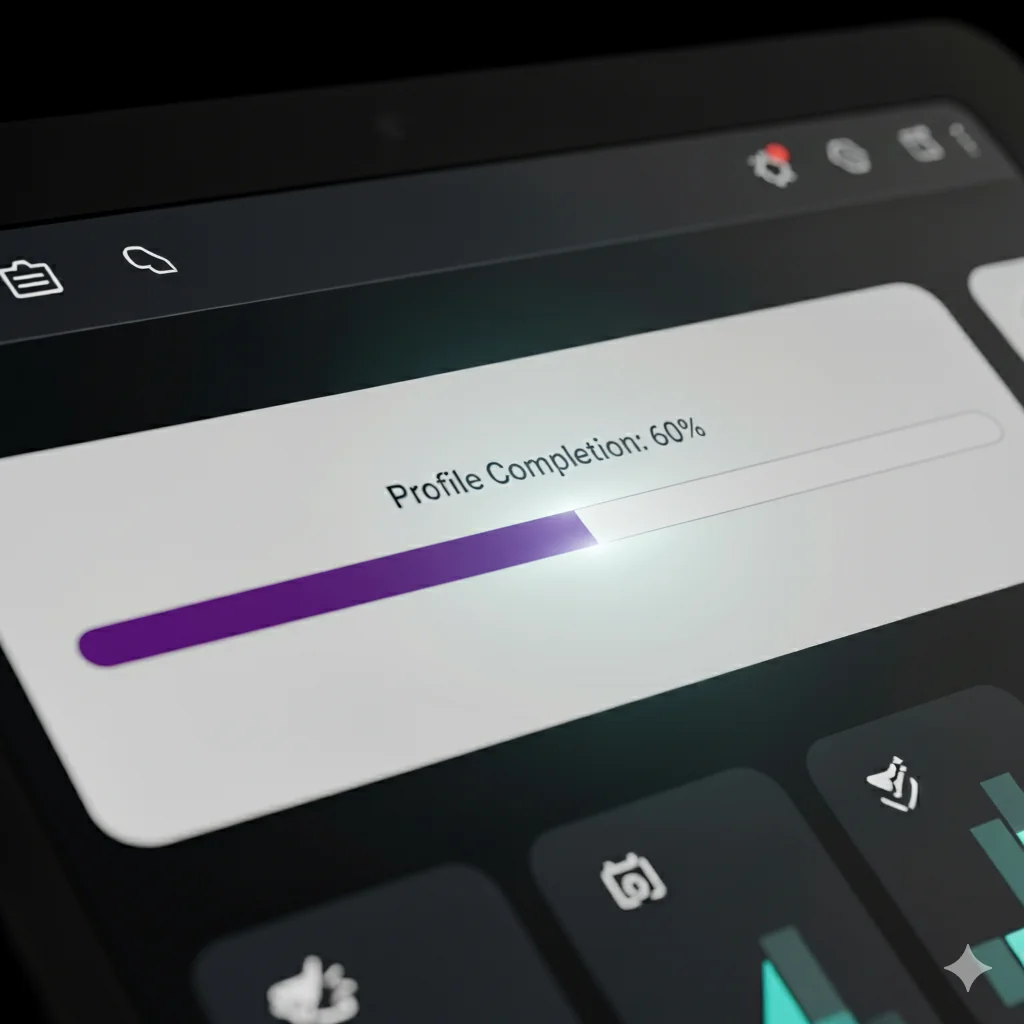
2. Visible Progress
For multi-step processes, a clear progress indicator, perhaps on your personal digital dashboard, can motivate completion, leveraging the Goal Gradient Effect.
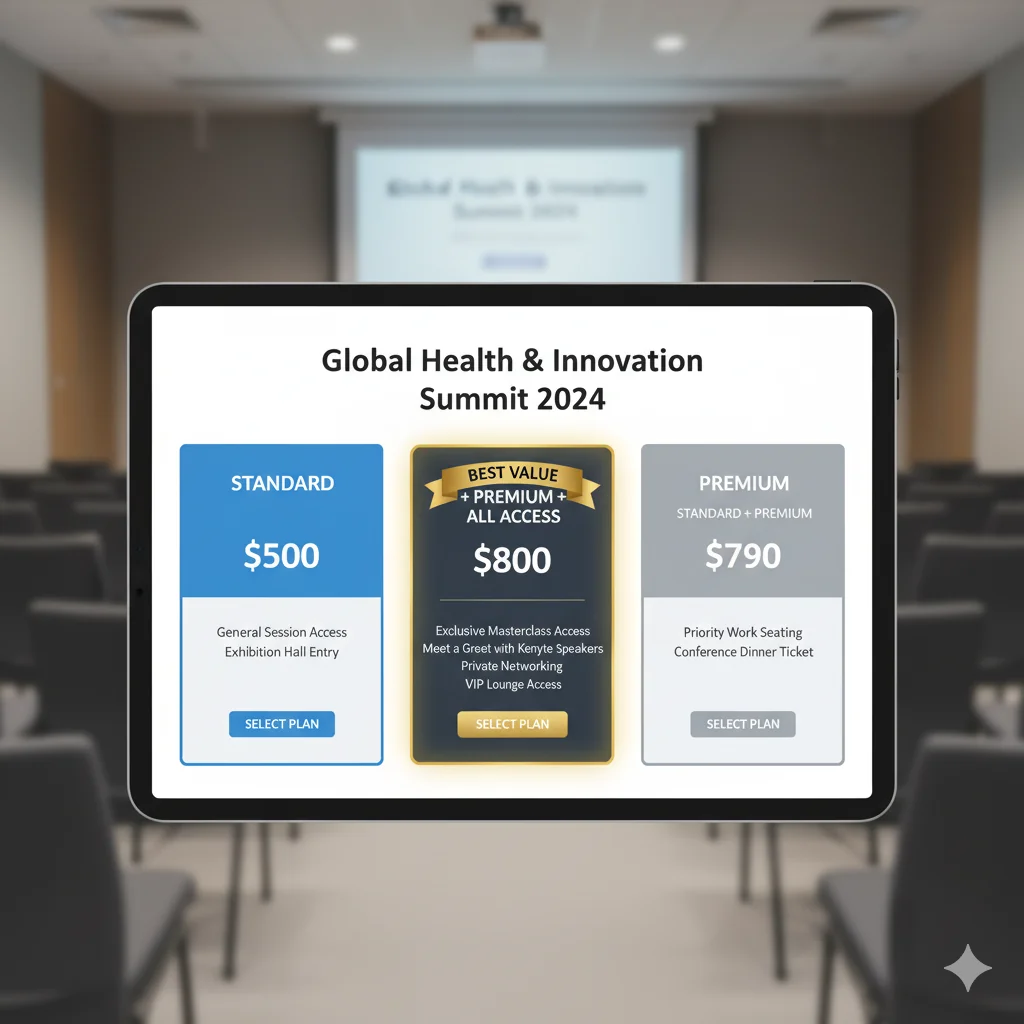
3. Decoy Pricing
Offer a "Premium" ticket at a slightly worse value than your "VIP" ticket to make the VIP option seem like a much better deal.
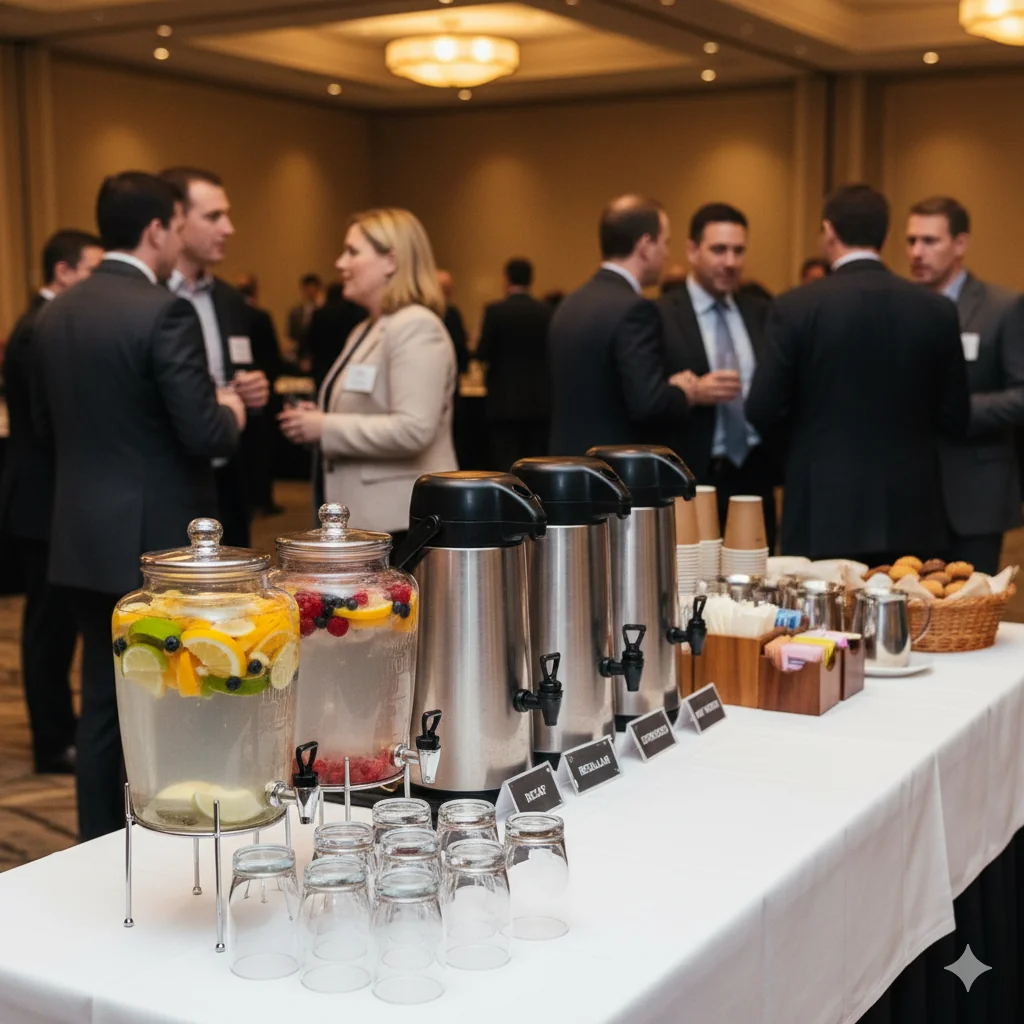
4. Healthy Defaults
At buffets, place water and healthier snacks at the beginning of the line, making them the default choice.
5. "Best-Seller" Highlights
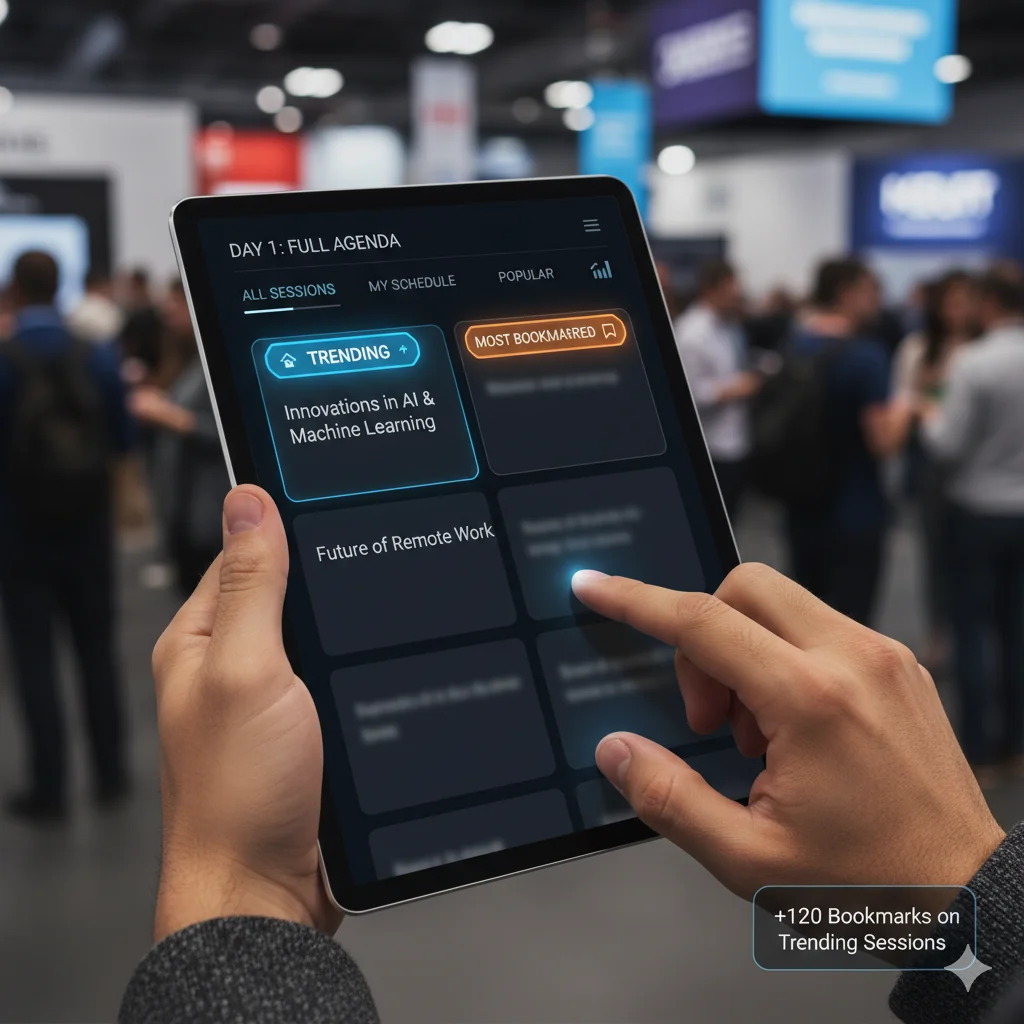
A dynamic agenda that highlights "Trending" or "Most Bookmarked" sessions can effortlessly guide you to the most popular content, ensuring you don't miss out, leveraging Social Proof.
6. Framing Session Descriptions
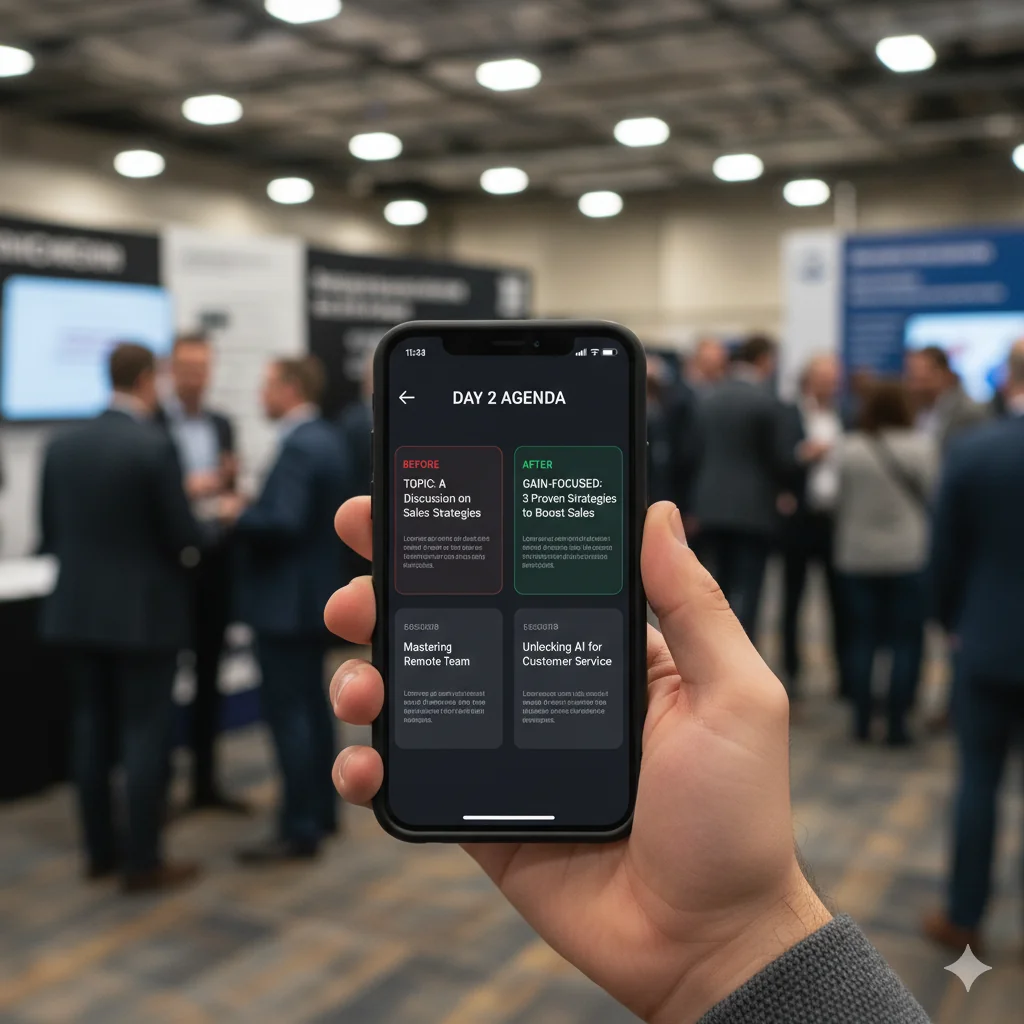
Frame session titles to focus on the gain (e.g., "3 Proven Strategies to Boost Sales") rather than just the topic (e.g., "A Discussion on Sales Strategies").
7. Give-aways: Value Without Cost
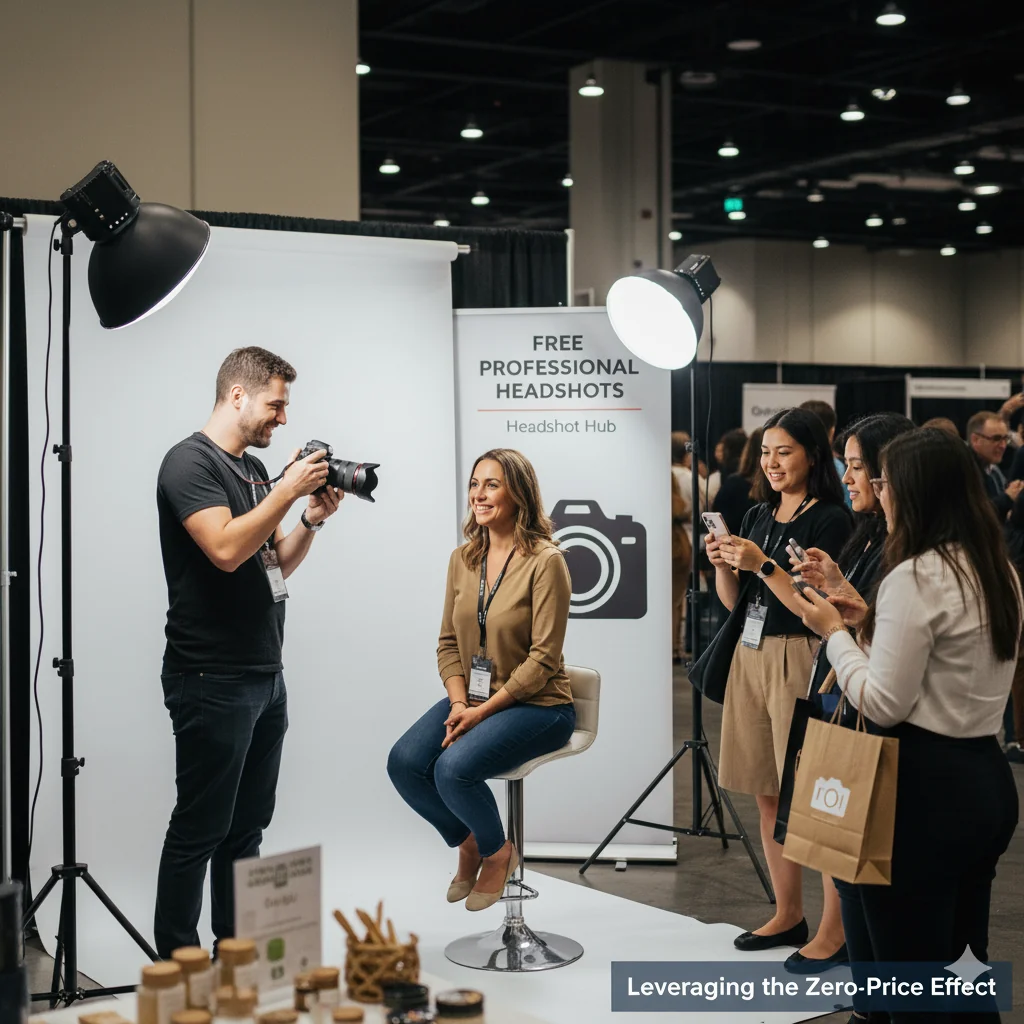
This principle leverages the powerful psychological effect of receiving something for free. By offering genuine value without a direct cost, you can influence attendee behavior through a sense of goodwill and obligation.
Example (Reciprocity): A surprise gift bag containing local artisan products is given to attendees in a specific workshop, making it feel more personal and valuable.
8. Loss Aversion and Scarcity
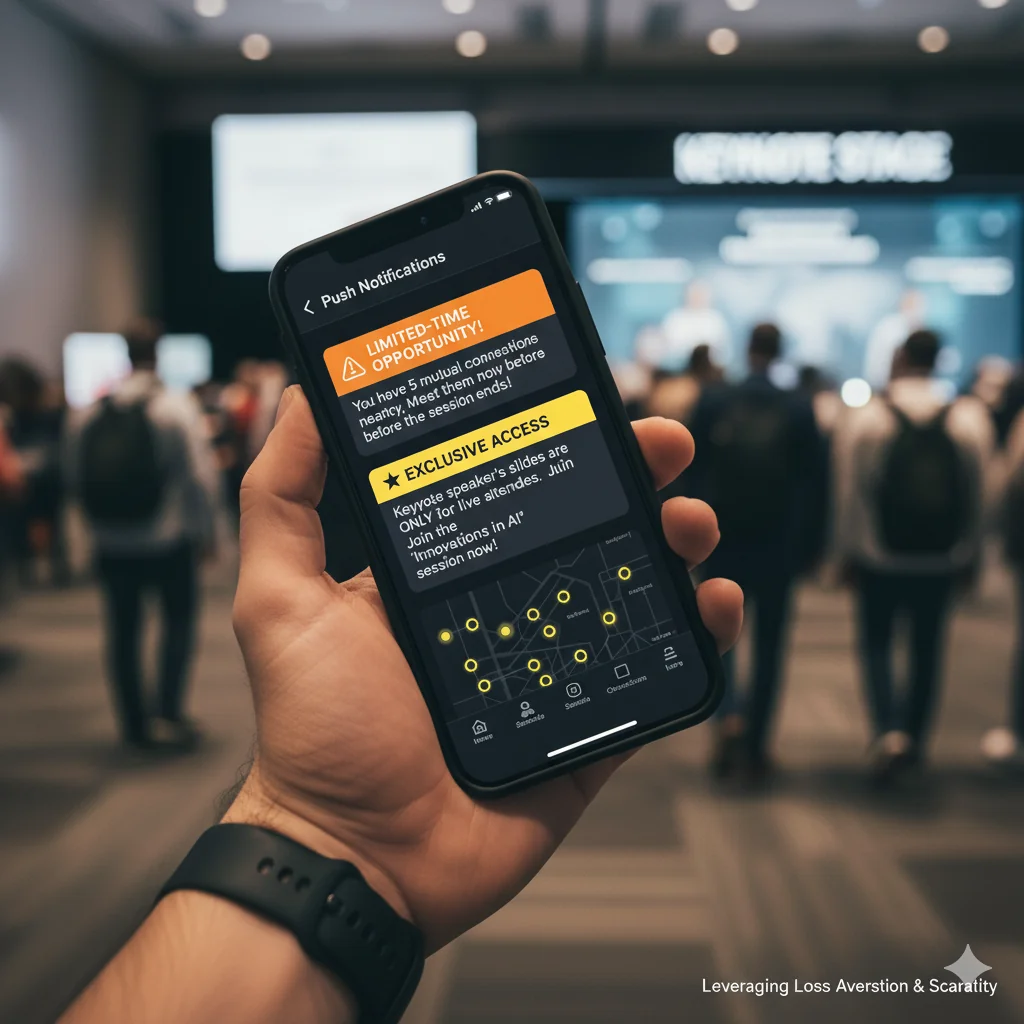
These concepts tap into the fear of missing out (FOMO) and our natural tendency to act to avoid a loss. By creating a sense of urgency and scarcity, you can motivate attendees to engage more actively.
Event Platform Use Case (Loss Aversion for Content): A push notification for a live session reads, "The keynote speaker's slides will be available exclusively to those who attend this live session via the platform."